Get Poured Wall Installation
Poured wall installation services help property owners build durable, strong foundations and retaining walls for residential or commercial projects, solving structural and stability issues.
Poured wall installation is a practical solution for property owners seeking durable and reliable retaining walls, foundation supports, or structural barriers. If you are planning a landscaping project, need to reinforce a slope, or want to improve the stability of an outdoor space, exploring local contractors who specialize in poured wall services can provide valuable options. Understanding the benefits of professionally installed poured walls can help ensure your project meets safety and longevity standards, making it a worthwhile consideration for many property owners.
This page is designed to assist in comparing local contractors experienced in poured wall installation, helping property owners identify qualified service providers in the area. Whether you're undertaking a new construction, renovation, or repair, reviewing available options can support informed decisions tailored to your property's needs. Keep reading to learn more about how local pros can help bring your project to life with expert poured wall solutions.
- Residential foundations - homeowners may need poured wall installation when constructing or repairing basement walls.
- Commercial building projects - businesses might require poured walls for durable and stable exterior or interior walls.
- Retaining walls - property owners often seek poured walls to manage soil erosion and create level outdoor spaces.
- Basement finishing - homeowners may look for poured walls to provide a solid foundation for basement renovations.
- Landscape retaining structures - landscapers and property managers might need poured walls to support terraced gardens or outdoor features.

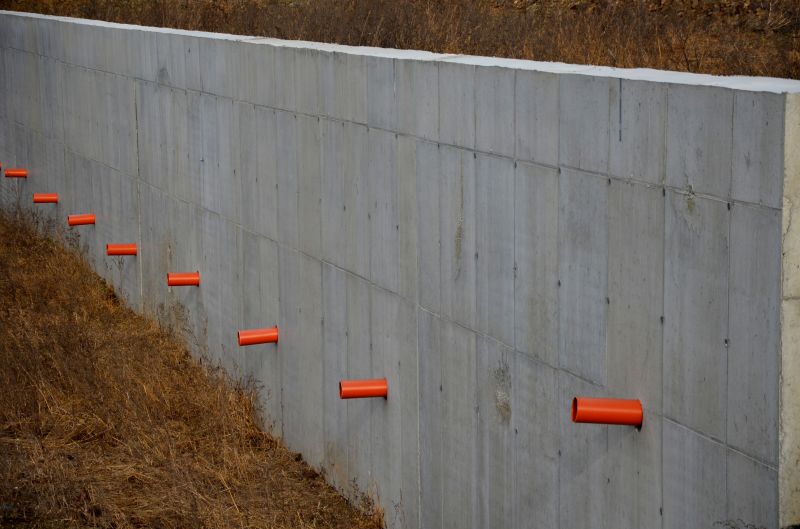
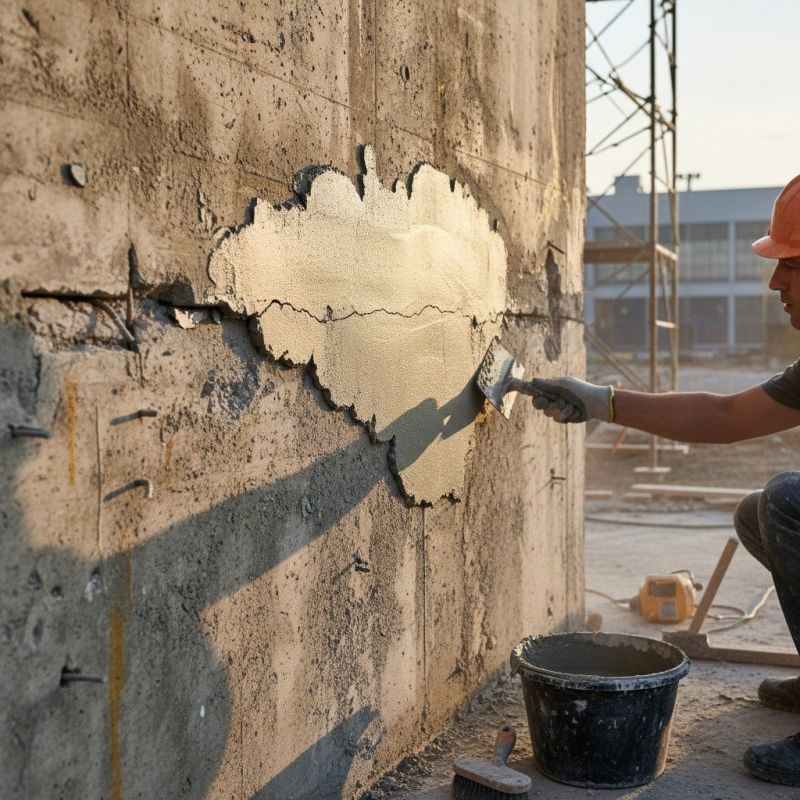
Poured wall installation involves creating a sturdy, seamless concrete wall that provides structural support and containment for various property needs. This service typically includes pouring and finishing concrete into forms to produce durable walls that can serve as basements, retaining walls, foundation walls, or boundary barriers. The process requires precise preparation, form setting, pouring, and finishing to ensure the wall is level, strong, and long-lasting. Skilled contractors use quality materials and techniques to deliver a finished product that enhances both the stability and appearance of a property.
This service addresses a range of common problems faced by homeowners and property owners. It is often used to prevent soil erosion, stabilize slopes, and support landscaping features. Poured walls are also effective in resolving issues related to foundation cracks, water intrusion, or shifting soil that can compromise the integrity of a building. By installing a properly poured wall, property owners can improve drainage, reduce the risk of structural damage, and create a reliable barrier that withstands environmental pressures over time.
Properties that typically utilize poured wall installation include residential homes, especially those with basements or crawl spaces, as well as commercial buildings with underground structures. Retaining walls built with poured concrete are common in properties with uneven terrain or landscaping that requires stabilization. Additionally, properties undergoing renovations or additions may need poured walls to reinforce existing structures or create new foundation elements. This service is suitable for both new construction projects and retrofit work aimed at strengthening or restoring existing properties.
Homeowners who notice signs of foundation movement, cracks, or water leaks may find poured wall installation to be an effective solution. It is also a practical choice for those planning landscaping projects that involve terracing or soil retention. Whether upgrading a basement, supporting a hillside, or building a boundary wall, contacting local contractors who specialize in poured wall services can help ensure the work is done properly. These professionals can assess the property’s needs and provide the necessary expertise to deliver a durable, functional concrete wall tailored to specific requirements.
The overview below groups typical Poured Wall Installation projects into broad ranges so you can see how smaller, mid-sized, and larger jobs often compare in your area.
In many markets, a large share of routine jobs stays in the lower and middle ranges, while only a smaller percentage of projects moves into the highest bands when the work is more complex or site conditions are harder than average.
Smaller Repairs - Typical costs for minor poured wall repairs, such as crack sealing or patching, generally range from $250-$600. Many routine jobs fall within this middle range, with fewer projects reaching the higher end of the spectrum.
Partial Wall Installations - Installing sections of poured walls for foundations or retaining walls usually costs between $1,500 and $4,000. Larger, more complex projects can exceed this range, but most local contractors handle standard jobs within these bounds.
Full Foundation Replacement - Complete poured wall foundation replacements often range from $10,000 to $30,000, depending on size and complexity. Many projects land in the lower to mid-tier of this range, while extensive or custom designs can push costs higher.
Large-Scale or Custom Projects - Large or highly customized poured wall projects, such as multi-story structures or specialized retaining walls, can reach $50,000 or more. These are less common and typically involve complex engineering or design considerations.
Actual totals will depend on details like access to the work area, the scope of the project, and the materials selected, so use these as general starting points rather than exact figures.
Foundation Wall Construction - this project involves building strong, durable walls that require similar excavation, form-setting, and concrete pouring skills as poured wall installation.
Retaining Wall Installation - installing retaining walls demands precise planning, site preparation, and concrete work skills comparable to those used in poured wall projects.
Basement Wall Waterproofing - applying waterproofing to basement walls involves working with concrete surfaces and understanding structural considerations similar to poured wall services.
Concrete Footings and Foundations - constructing concrete footings and foundations shares skills in site prep, form work, and concrete pouring with poured wall installation.
Cement Wall Repairs - repairing or replacing damaged cement walls requires expertise in concrete handling, surface prep, and structural assessment akin to poured wall work.
Structural Wall Reinforcements - adding reinforcements to existing concrete walls involves planning and concrete skills similar to those used in new poured wall installations.
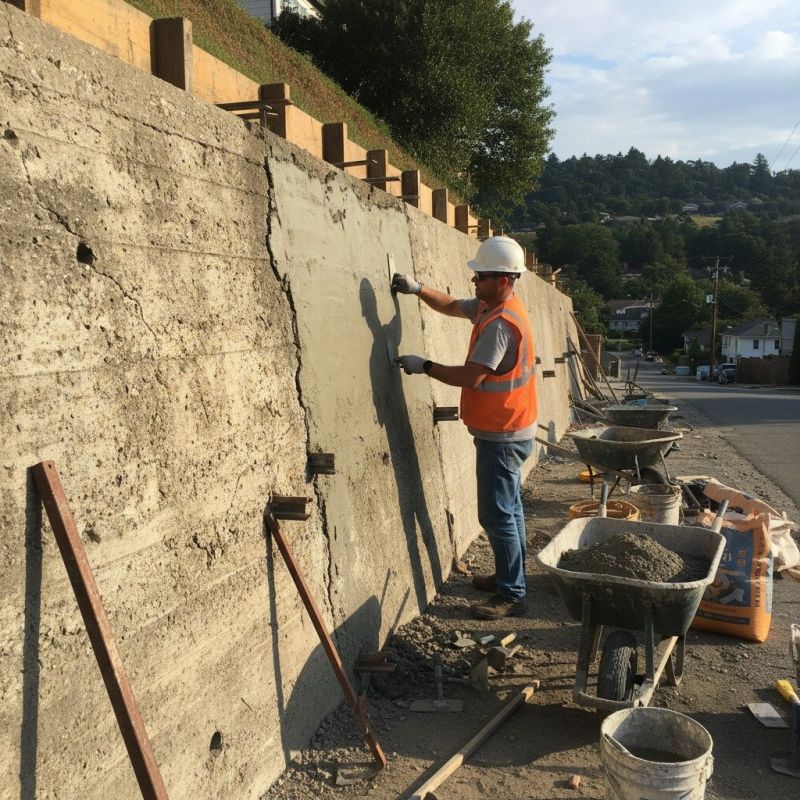
When evaluating potential contractors for poured wall installation, it’s important to consider their experience with similar projects. Homeowners should look for service providers who have a proven track record of handling poured wall work comparable to the scope and complexity of the project at hand. This can help ensure that the contractor is familiar with best practices, common challenges, and effective solutions, which can contribute to a successful outcome. Asking for examples of past projects or references related to poured wall installation can provide valuable insight into their expertise and reliability.
Clear, written expectations are essential when comparing local contractors. Homeowners should seek detailed proposals that outline the scope of work, materials to be used, and the approximate process involved. Having this information in writing helps prevent misunderstandings and provides a basis for comparing different service providers objectively. It’s also beneficial to clarify any questions about the project upfront, ensuring that both parties have aligned expectations before work begins. Well-defined expectations contribute to smoother communication and a more transparent working relationship.
Good communication and reputable references are key indicators of a dependable service provider. Homeowners should inquire about how the contractor communicates throughout the project, including updates, questions, or concerns. Additionally, asking for references from previous clients who had similar poured wall projects can help verify the contractor’s reputation and quality of work. Reputable local contractors prioritize clear communication and maintain positive relationships with past clients, which can provide added confidence in their ability to deliver satisfactory results. These factors, combined with experience and clear expectations, can help homeowners make informed decisions when choosing a qualified poured wall installation professional.
Property owners use Poured Wall Installation services for practical projects around their homes and businesses. This guide focuses on everyday jobs and straightforward project options.
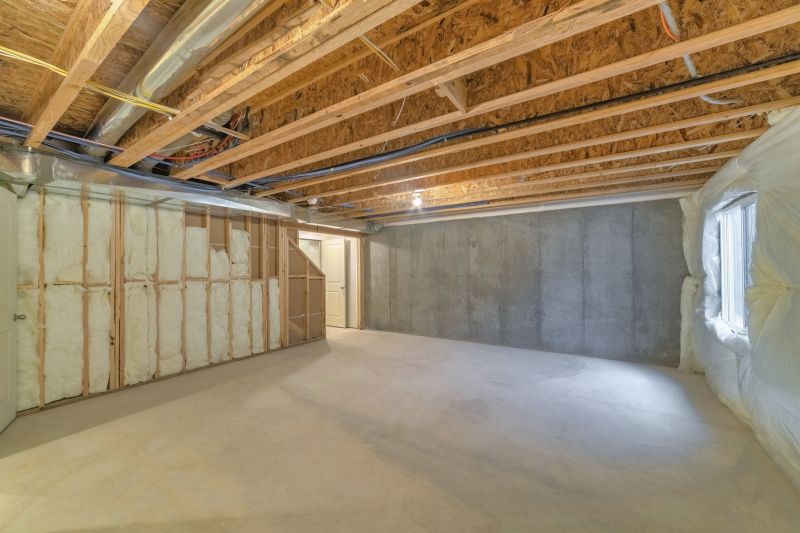
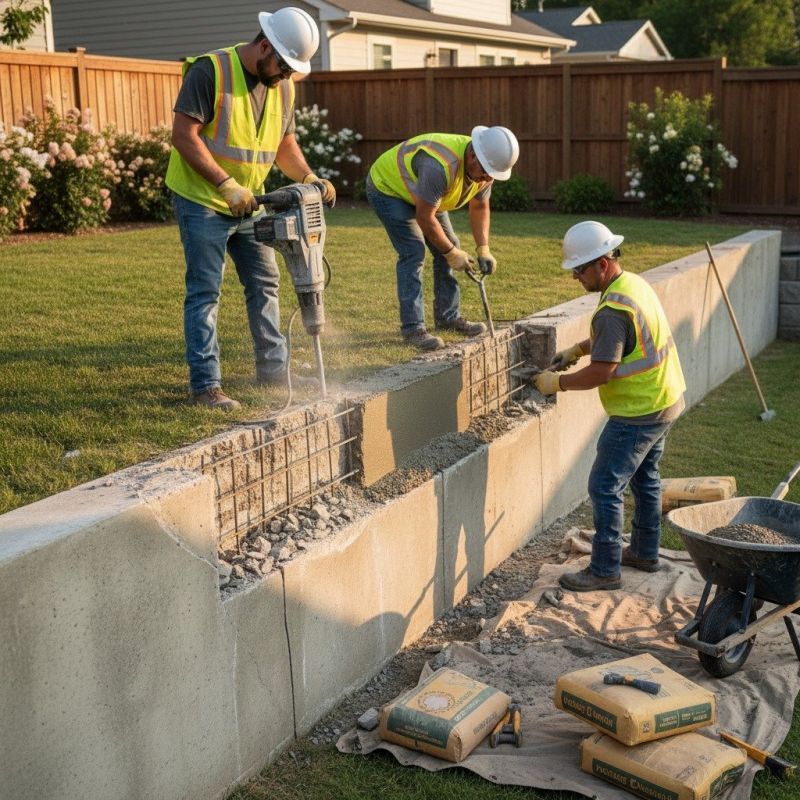
Poured wall installation is a common solution for property owners dealing with foundation repairs, basement finishing, or retaining wall needs. Local contractors are often called upon when homeowners notice cracks in their foundation, water seepage, or uneven yard landscapes that require sturdy, durable walls to maintain property stability. These projects are essential for preventing further structural issues and ensuring the safety of the property, making it a sought-after service for those looking to protect their investment.
Many property owners seek poured wall services for renovations or landscaping improvements that involve creating new basement spaces or supporting sloped terrain. Local service providers are experienced in handling these types of projects, offering solutions that enhance both the functionality and appearance of a property. Whether addressing existing issues or planning new construction, property owners can find qualified local contractors ready to assist with professional poured wall installation.
What are poured walls used for? Poured walls are commonly used for foundations, retaining walls, and basement walls to provide structural support and stability.
Can poured wall installation be customized for different projects? Yes, local contractors can customize poured wall designs to fit various landscaping and structural needs.
What materials are typically used in poured wall construction? The primary material is concrete, often reinforced with steel rebar or mesh for added strength and durability.
Is it possible to add insulation to poured walls? Yes, many service providers can incorporate insulation during installation to improve energy efficiency and comfort.
How do contractors ensure the quality of poured wall installations? Experienced local contractors follow best practices and use quality materials to ensure the stability and longevity of poured walls.
Garden Bed Support - Poured walls can create durable and level retaining walls for garden beds, helping to keep soil in place and prevent erosion.
Basement Wall Stabilization - Local contractors can install poured wall systems to reinforce basement foundations and prevent water intrusion.
Property Boundary Definition - Poured walls can be used to establish clear property lines or create privacy barriers around outdoor spaces.
Erosion Control Solutions - Installing poured walls along slopes or embankments can help manage runoff and protect landscaping from erosion.
If you are thinking about Poured Wall Installation for a property, this guide is meant to help you understand the work, the typical project types, and how different options might fit your plans.
When you are ready, you can use the quote form on this page to share a few details about your project. From there, local pros can review the basics and respond with options that match what you have in mind.