Safety Features to Include in Concrete Walks and Steps
People seeking concrete walks and steps installation often want safety features to prevent accidents, and local contractors can expertly incorporate these features into their designs.
If you’re considering improvements to your property’s outdoor spaces, understanding the safety features to include in concrete walks and steps is an essential step. Properly designed and constructed concrete features can help prevent slips and falls, especially in areas prone to moisture or uneven terrain. Property owners in the area often explore this topic to ensure their walkways and stairs are both functional and secure for family, visitors, and neighbors alike. By learning about the best safety practices, you can make informed decisions when working with local contractors who specialize in concrete installation, ensuring your outdoor spaces are as safe as they are attractive.
Exploring safety features for concrete walks and steps is a practical move for those looking to enhance the usability and safety of their property. Local service providers who focus on concrete installation can incorporate features such as textured surfaces, proper slope design, and adequate lighting considerations to help reduce potential hazards. Keep reading to discover specific safety options that can be integrated into your project, and learn how local contractors can help bring those features to life, creating outdoor spaces that are both durable and secure for everyday use.
- Concrete walks and steps installation services are essential when designing slip-resistant surfaces to prevent falls and injuries. Local contractors can incorporate textured finishes or slip-resistant coatings as safety features in concrete walks and steps. When planning for accessibility, local pros often add handrails or tactile indicators to enhance safety for all users. For areas prone to weather-related hazards, local service providers can include proper drainage and non-slip surfaces to reduce slipping risks. These safety features to include in concrete walks and steps help ensure secure and accessible outdoor pathways.


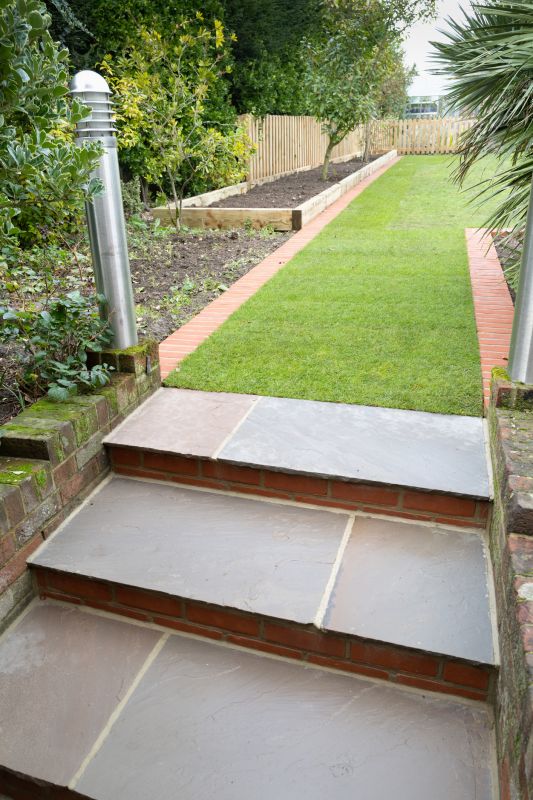
When homeowners search for safety features to include in concrete walks and steps, they are often focused on making outdoor pathways safer for everyone who uses them. This can stem from concerns about slips, trips, and falls, especially in areas prone to moisture or ice. Many property owners are planning upgrades or new installations and want to ensure that their walkways and steps are not only functional but also minimize hazards. This search typically relates to projects on residential properties, such as front yards, back patios, or garden paths, as well as commercial properties like storefront entrances or public parks. Understanding the importance of safety features helps homeowners prioritize improvements that can prevent accidents and create more accessible outdoor spaces.
The problems related to unsafe concrete walks and steps often involve uneven surfaces, poor lighting, or lack of proper grip, which can lead to injuries. For example, cracks, uneven slabs, or lack of tactile indicators can pose risks, especially for elderly or mobility-challenged individuals. When planning for concrete walkways and steps, property owners often consider integrating safety features that address these issues, such as textured surfaces or slip-resistant coatings. Additionally, the placement of lighting and handrails can significantly improve visibility and support, making outdoor areas safer during nighttime or adverse weather conditions. Local contractors experienced in concrete installation can assess existing conditions or design new features to enhance safety based on the specific needs of a property.
The types of properties that commonly come up in discussions about safety features for concrete walks and steps include single-family homes, multi-unit residential buildings, commercial storefronts, and public spaces. Homeowners may want to incorporate safety measures around their entryways, patios, or pool areas to prevent accidents. Commercial property owners often seek slip-resistant surfaces and proper lighting to ensure customer safety and comply with accessibility standards. Public parks and community spaces also require durable, safe walkways that can withstand heavy foot traffic while minimizing hazards. Local service providers can help evaluate these property types and recommend safety features tailored to each setting, ensuring that outdoor pathways are both functional and secure.
Incorporating safety features into concrete walks and steps is a practical step toward creating safer outdoor environments. Features such as textured surfaces, slip-resistant coatings, and well-placed lighting are essential for reducing hazards. Handrails and tactile indicators can provide additional support and guidance for those with limited mobility or visual impairments. When planning these upgrades, property owners should work with local contractors who understand the importance of safety in concrete design and installation. These professionals can help select appropriate safety features, ensure proper installation, and create outdoor spaces that are safer for everyone to enjoy. Connecting with experienced service providers ensures that safety considerations are integrated into every stage of the project.
Patio and walkway remodeling - This project involves planning and installing concrete surfaces with safety features to prevent slips and falls, similar to installing safe concrete walks and steps.
Garage floor coating services - Applying slip-resistant coatings on garage floors requires knowledge of surface preparation and safety considerations akin to those for concrete walkways and steps.
Outdoor staircase construction - Building durable and safe outdoor stairs involves planning for slip resistance and stability, paralleling safety features in concrete steps and walks.
Driveway installation and repair - Ensuring driveways are safe to walk and drive on involves incorporating safety features comparable to those in concrete walk and step projects.
Pool deck installation - Installing slip-resistant surfaces around pools requires similar planning and safety feature integration as in concrete walkways and steps.
Landscape paving projects - Creating paved surfaces with proper safety features involves skills in surface preparation and slip resistance comparable to concrete walk safety enhancements.

When evaluating service providers for concrete walks and steps installation, it is important to consider their experience with projects that include safety features to enhance accessibility and reduce hazards. Homeowners should inquire about the types of similar work the contractors have completed, ensuring they have a clear understanding of the specific safety elements desired, such as textured surfaces for slip resistance or proper slope design to prevent pooling. A contractor’s familiarity with incorporating these safety features into concrete projects can be a strong indicator of their capability to deliver results that meet safety expectations and local standards.
Clear written expectations are essential when comparing local contractors for concrete walks and steps. Homeowners should seek detailed proposals that outline the scope of work, including the safety features to be included, the materials to be used, and the installation process. A comprehensive plan helps prevent misunderstandings and ensures that both parties are aligned on the safety considerations and quality standards. Contractors who communicate their approach openly and provide thorough documentation demonstrate professionalism and a commitment to transparency, making it easier for homeowners to make informed decisions.
Reputable references and good communication are key factors when selecting local service providers for concrete installation projects. Homeowners can ask for references from previous clients who had similar safety features incorporated into their walks and steps, gaining insights into the contractor’s reliability and workmanship. Additionally, contractors who are responsive, attentive to questions, and willing to discuss safety concerns demonstrate a level of professionalism that supports a smooth project experience. These qualities help ensure that the final outcome not only meets safety needs but also aligns with the homeowner’s expectations for quality and service.
Property owners often search for safety features to include in concrete walks and steps when they are planning practical projects around their homes and businesses. Local pros provide Concrete Walks and Steps Installation services for everyday jobs and straightforward project options.
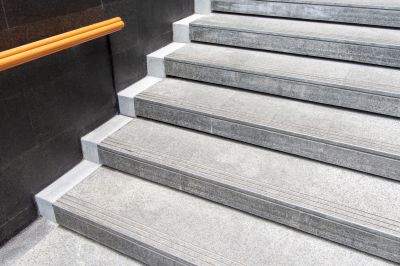
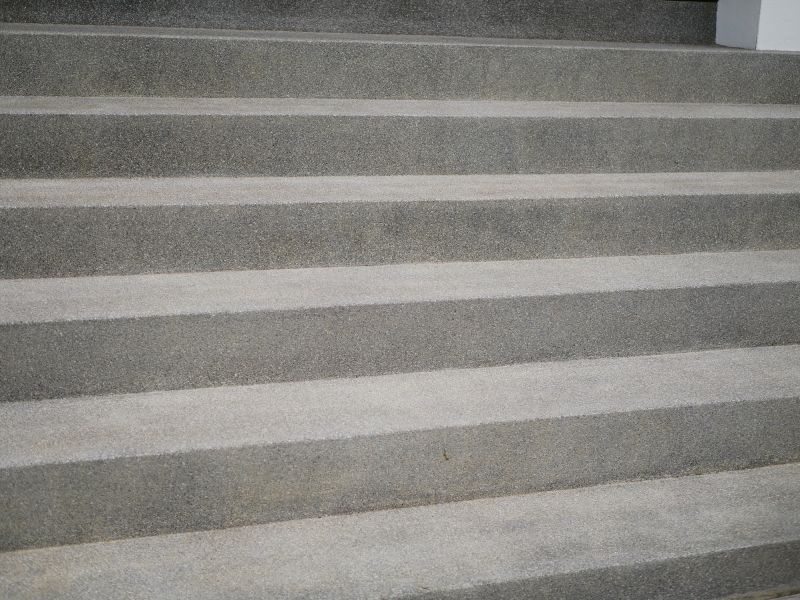
Many property owners consider safety features to include in concrete walks and steps to prevent accidents and improve accessibility around their homes. Features like textured or broom-finished surfaces can provide better traction, reducing the risk of slips, especially in wet or icy conditions common in the area. Additionally, proper lighting and clearly visible edges help pedestrians navigate safely during evening hours or in low-light situations. Local contractors experienced in concrete installation can recommend and incorporate these safety elements to enhance both the functionality and safety of outdoor walkways and steps.
For those planning to upgrade or install new concrete walks and steps, choosing the right safety features can make a significant difference in everyday use. Local service providers can assist with adding features such as gentle slopes or ramps for easier access, especially for those with mobility concerns. Incorporating non-slip coatings or textured finishes can further improve safety, while strategic placement of handrails offers additional support. Consulting with local contractors ensures these safety features are integrated effectively, making outdoor spaces safer and more accessible for everyone.
What safety features should be included in concrete walks and steps? Features such as slip-resistant surfaces, proper lighting, and textured finishes are important safety considerations that local contractors can incorporate during installation.
How can local contractors improve the safety of concrete steps? They can add handrails, ensure proper slope and tread depth, and use slip-resistant coatings to enhance safety on concrete steps.
Are textured finishes necessary for safety in concrete walkways? Yes, textured finishes like broom or troweled surfaces help reduce slipping hazards, especially in wet conditions.
What role does lighting play in the safety of concrete walks and steps? Adequate lighting helps improve visibility, making it easier to see potential hazards and navigate safely, which local pros can install during the project.
Can local contractors add features to prevent tripping hazards in concrete walks? Yes, they can ensure proper leveling, add gentle slopes, and incorporate tactile indicators to minimize tripping risks.
Non-slip surfaces - Incorporating textured finishes or slip-resistant coatings can help prevent falls on concrete walks and steps, especially in wet conditions, with the help of local contractors.
Proper lighting - Installing adequate lighting along walkways and stairs enhances visibility at night, reducing trip hazards and making outdoor spaces safer.
Handrails and guardrails - Adding sturdy handrails to steps and guardrails along walkways provides support and stability for users, particularly for seniors or those with mobility challenges.
Edge and step design - Ensuring smooth, rounded edges and clearly defined steps can minimize tripping risks and improve overall safety during everyday use.
If you are thinking about safety features to include in concrete walks and steps for a property, this guide is meant to help you understand this topic, the typical project types, and how different options might fit your plans.
When you are ready, you can use the quote form on this page to share a few details about your project. From there, local pros can review the basics and follow up with options that match what you have in mind.